

New book takes the confusion out of cooking
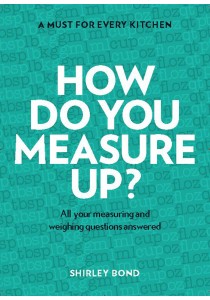
A new book from Shirley Bond, entitled How Do You Measure Up? is based on the decades of experience the author has as a food writer, dietician and nutrition lecturer.
This is a book that will be very useful for those who wish to cook without any confusion. The country’s top chefs have already heaped praise upon it, making it extremely popular.
The recipes use the cup measures, which is not only easy to utilise, but is also great for children and has always been very popular in the US.
Metric can be confusing for senior home cooks and many recipes chop and change between metric and Imperial measures or just suggest a splash of this or a dash of that…’How Do You Measure Up?’ comes to your rescue!
“For anyone whose kitchen library is a mix of old and new cookbooks, recipes from around the world, pages torn out of the cookery magazines and newspaper supplements, this book is a godsend.” – Nottinghamshire Flavours.
Shirley Bond says: “Every day this information is needed in some form or other. It may range from a casual supper at home or portions needed for a larger gathering when entertaining friends.
With Christmas coming, what to buy when shopping, help with portion sizes, freezing and later defrosting food, quantities of drinks required and so on are just part of necessary information to make the holiday period fun and not a worry for the host/hostess.”
Shirley regularly gives ‘How Do You Measure Up?’ presentations to people of all ages and culinary skills, particularly around her home county of Yorkshire. Packed with useful information and interesting musings, Shirley’s talks inspire people to consider the roots of the measurements they use so regularly, not just in cooking but in general parlance: Did you know that one-inch was the width across the base of Henry the First’s thumb?
Twelve inches equated to the size of the King’s foot, and as he strode out they called three of his foot paces a yard. Ounces were weighed according to the weight of heads of barleycorn. An acre was the amount of land that could be ploughed in one day by a team of horses, regardless of the type of soil, strength of the horses or the weather at the time.
Shirley explains why she felt she had to write this book: “Some people say that converting measures of ingredients, sizes of equipment, or temperatures of ovens and freezers in a recipe is easily done on a calculator, from Imperial to metric, metric to Imperial or to cups.
But, anyone who has tried using a calculator will know it does not work: you are left with decimal figure results which are completely impractical and result in dishes turning out badly causing disappointment and a waste of food.”
A calculator will also not tell you the quantity of cake mixture, which will fit into a tin of your choice, or how much almond paste is required to cover your cake and much more besides. In 1976, it was decided by a professional committee that in the UK kitchen one ounce would equate to 25 grams to make weighing easy.
In Australia they decided on a 30 gram ounce, which adds more confusion in the UK but is preferable to decimals. Cup capacities vary between countries and even the pint differs in the UK and the US.
The aim of this book is to answer the myriad questions facing home cooks wherever they live when attempting to follow a recipe, and make the experience more enjoyable and relaxing, so people can use whatever equipment they have and whichever measurements they prefer.
