

Fair Trade needed for a good cuppa
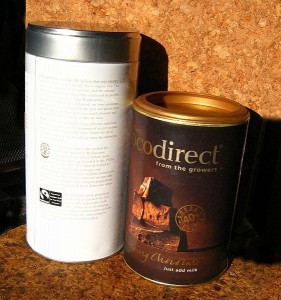 In 2009 higher wages were protested for by the tea workers in Sri Lanka, home of Ceylon Tea. At that time they wanted their wages to be doubled to $4.50 for a day’s wage. That wage is comparable to purchasing an inexpensive box of tea in supermarkets throughout the UK and close to half of the minimum wage in the United States for an hour’s work.
Living in Sri Lanka is much less expensive but a recent report says almost 33% live in poverty. This is now being addressed by Fair Trade which aims at not just the production of tea but the production of agricultural products, clothing and many other products that wealthier nations import like the UK.
This is not limited to just Sri Lanka, the poverty problem that is associated with low wages is an important issue for a myriad of countries that exported from. Not including Japan, the majority of tea is produced in the developing world where workers are exploited, where there is degradation of the environment, slave labor, child labor and many other violations of human rights.
The concept is a social movement and is hard to define and pin down concisely. The idea is that people are paid a fair wage, have a good working environment and work in transparent and democratic organizations. This is achieved by the issuance of certificates to producers or groups that meet the standards. Those conditions include price, pay, working conditions, and organization of businesses.
The bottom line is to promote the goals and values of Fair trade that are development, community, environment, conservation and economic justice. Another integral part of fair trade is sustainability, whether it is in tea production or in the production of other things.In a world where consumer advice can come from the consumers themselves, more and more people understand the value of Fair Trade products and pass on their support through online and offline word-of-mouth promotion. On many product review websites, such as www.personalopinion.co.uk, products which benefit local communities and producers are highly rated. Many consumers are aware of the responsibility their buying power has towards making other lives better off and would like to spread this knowledge. When it comes to having a quiet conscience whilst having a cuppa, people are increasingly looking towards Fair Trade alternatives. Fair trade teas as well as other fair trade products are a bit higher priced than those that are not under the fair trade label. They can be at times quite competitive in pricing but generally speaking are higher priced. Also, one reason the price is not exorbitantly higher is the elimination of the middlemen.
