

Tarantella says 100% organic tomatoes are the difference!
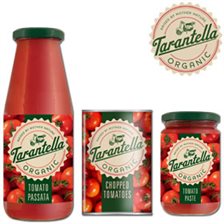
 There is simply nothing like the taste of a lush, juicy, sweet, Italian sun ripened tomato, warm and just asking to be eaten when it is picked fresh off the vine. That is the taste you get when you indulge in a Tarantella product….tinned tomatoes, passata or paste….but apart from that, the main difference between a Tarantella tomato and the rest is that the product is 100% ORGANIC AND THAT MAKES ALL THE DIFFERENCE!
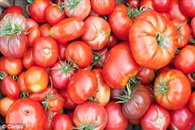 Did you know that recent research* looking at the difference between organically grown and conventionally farmed tomatoes highlighted the big differences?
- The organic tomatoes themselves were about 40% smaller than their conventional counterparts but….
- They had 55% more vitamin C
- Their phenolic content (a measure of flavonoid, antioxidant and flavour intensity) was a whopping 139% higher. Plant phenols, such as flavonoids, are largely responsible for the health-giving properties attributed to many fruits and vegetables as they help the body fight oxidative stress – a form of chemical damage linked to chronic conditions such as heart disease, cancer and dementia. Lycopene, a tomato flavonoid, has been shown to reduce the risk of prostate and other cancers and slow tumour growth and processed tomatoes contain more lycopene than fresh ones**. In fact some research has shown that a diet high in lycopene can reduce the risk of prostate cancer by up to 35%.***
So, what do the researchers and experts think is behind these findings? The answer is the environmental stress the plants experience. Without the support of pesticides and artificial fertilisers, organic tomatoes have to fortify themselves against their environment through being more robust to fight pests and diseases unassisted and this promotes greater concentrations of health-giving chemicals, according to scientists. Conventionally grown plants experience little stress, hence the lower levels of healthy chemicals.
 So, next time you find yourself strolling down the supermarket aisle looking to replenish that good old storecupboard favourite, ie tins of tomatoes or a jar of paste/passata, remember this and surely it’s worth the few pennies more that you will have to pay for a far better product. You should ideally eat one serving of cooked tomatoes a day, and several servings of fresh tomatoes a week, ie 22 mg of lycopene a day; there are 27 mgs in two tablespoons of tomato purée. On a gram-for-gram basis, cherry tomatoes contain more lycopene than large tomatoes but canned/bottled is better than fresh. Lycopene is better absorbed when it is consumed in processed products.
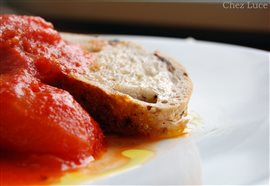
The Tarantella organic tomato range is just perfect for sauces to accompany your pasta with a sprinkling of freshly chopped basil and oregano…. or why not indulge in some just on a piece of wholemeal toast….a delicious and ideal way to start the day or a quick snack anytime when you’re feeling peckish. The thick rich juice of the product ensures a wonderful taste and ideal constituent to all your recipes….even a Bloody Mary cocktail. If you use just the tomatoes, don’t throw the juice away, simply indulge yourself!
Sourced from the heart of Italy, grown in rich soil and naturally produced with no additives or fertilisers, pesticides and GM free, Tarantella tomato products have been around since 1892 and are readily available in ASDA, Morrisons, Ocado, Amazon and independent stockists.
Tomatoes first appeared in Italy in the mid 1500’s,having been brought back from South America by the Spanish conquistadores where they were growing wild in what is now Peru, Bolivia, Chile and Ecuador. They were first cultivated by the Aztecs and Incas as early as 700 AD. However some people think two Jesuit priests brought them to Italy from Mexico.
The English word ‘tomato’ comes from the Aztec word, tomatl. The first cultivated tomatoes were yellow and cherry-sized, earning them the name golden apples: pommes d’or in French or pomi d’oro in Italian . The Italian for tomatoes today is pomodoro. Tomatoes are now the most widely grown ‘vegetable’ in the world and are cultivated as far north as Iceland and as far south as the Falkland Islands.
